
In Our Own Spaces: Advancing Safe Sport through Olympism
24 October 2026
Sharing how Safe Sport frameworks can be put into practice, together with participants from across the Asia-Pacific region.
The Safe Sport Commission Singapore was privileged to contribute to the 31st Singapore Olympic Academy Annual Academic Session through its Spotlight Session, "From Blueprint to Reality: Implementing a Unified National Safe Sport Framework."
In a reflective conversation with Mark Chay, Secretary General of the Singapore National Olympic Council, we traced the development of Singapore's Safe Sport Programme through the different roles he has held: as an athlete, a leader of a National Sports Association, and now Secretary General of SNOC and a member of the Safe Sport Commission.
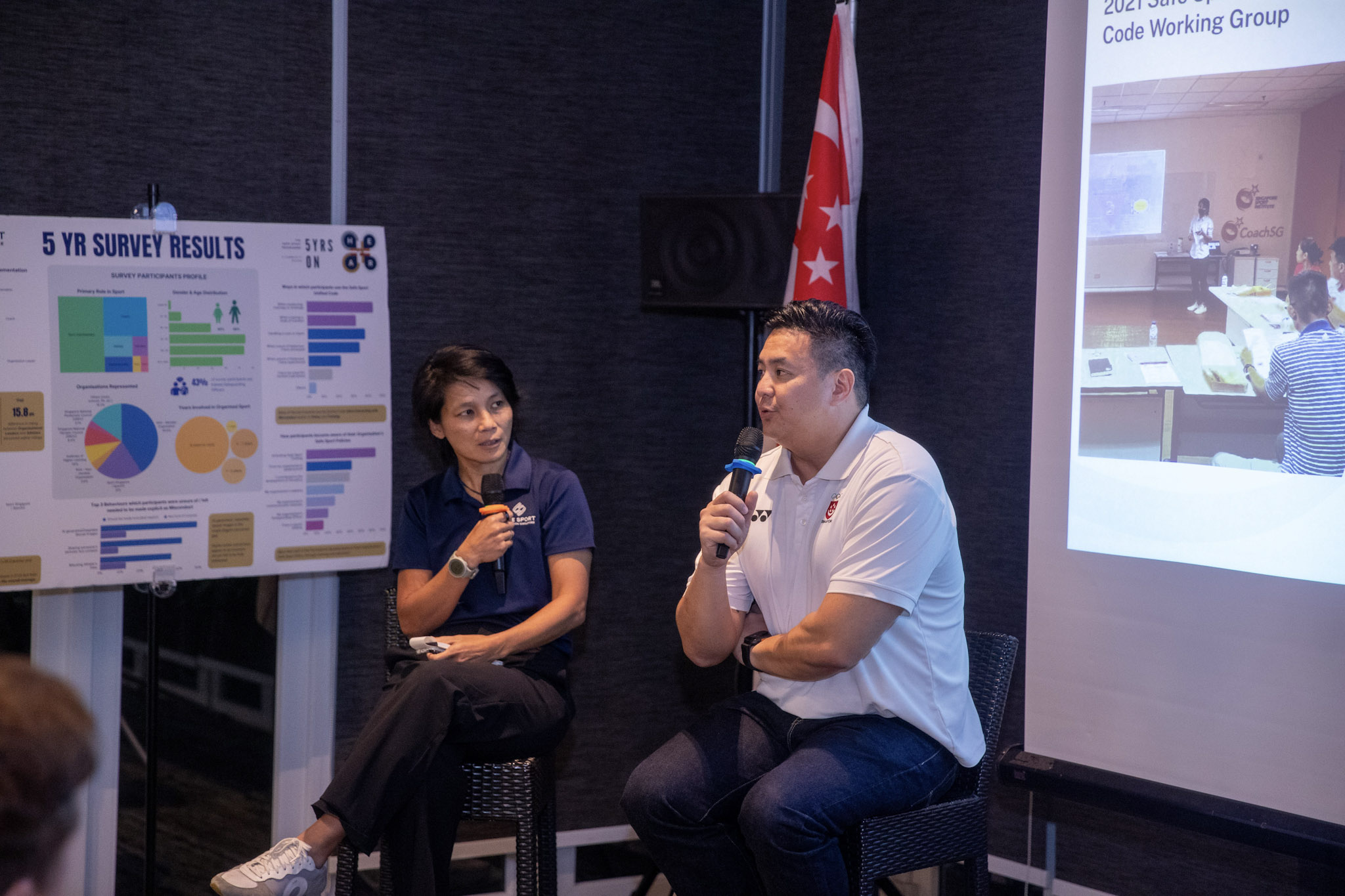
The Learning Group Session provided an opportunity for the Commission to share selected findings from the Safe Sport Programme's Five-Year Review with participants from Singapore, China, Indonesia, Thailand, Bhutan, Malaysia, Chinese Taipei, Hong Kong, Cambodia and Kazakhstan to set context for the next interactive workshop.
Each participant considered a simple but important question:
"What can I do in my own space?"
Participants reflected on the importance of involving athletes, coaches and local clubs in policy development. They highlighted practical actions such as checking whether policies and guidelines are properly understood, identifying gaps in practice and regular reviews so that organisational expectations remain relevant and responsive.
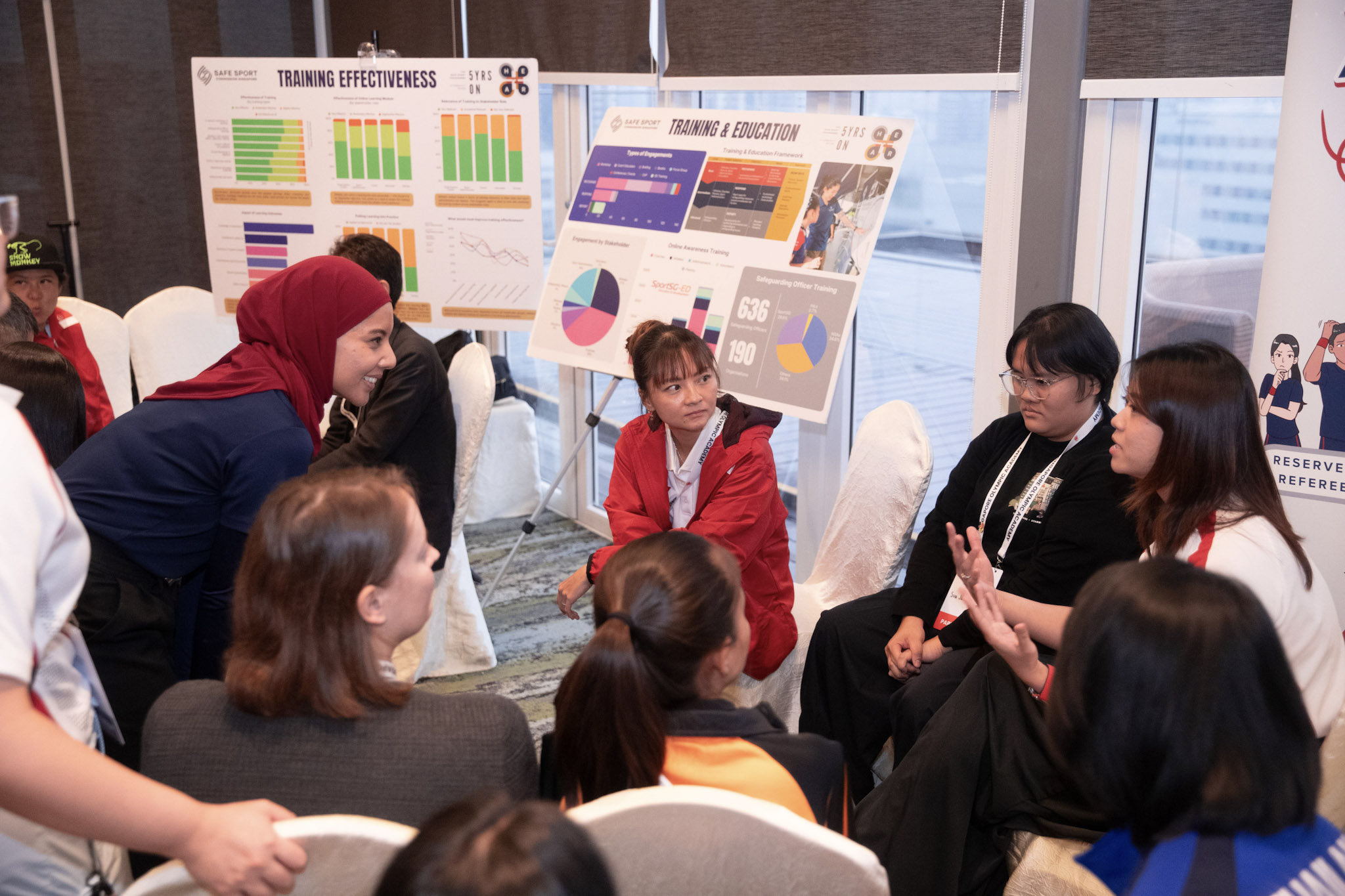
On developing awarenss and capabilities, participants reflected on the value of real-life scenarios, role-playing and regular opportunities for questions and discussion. They also pointed to the impact of integrating Safe Sport into existing training sessions, camps, meetings and leadership briefings. A recurring message was that learning should be measured not only by attendance or course completion, but by whether it changes understanding and behaviour.
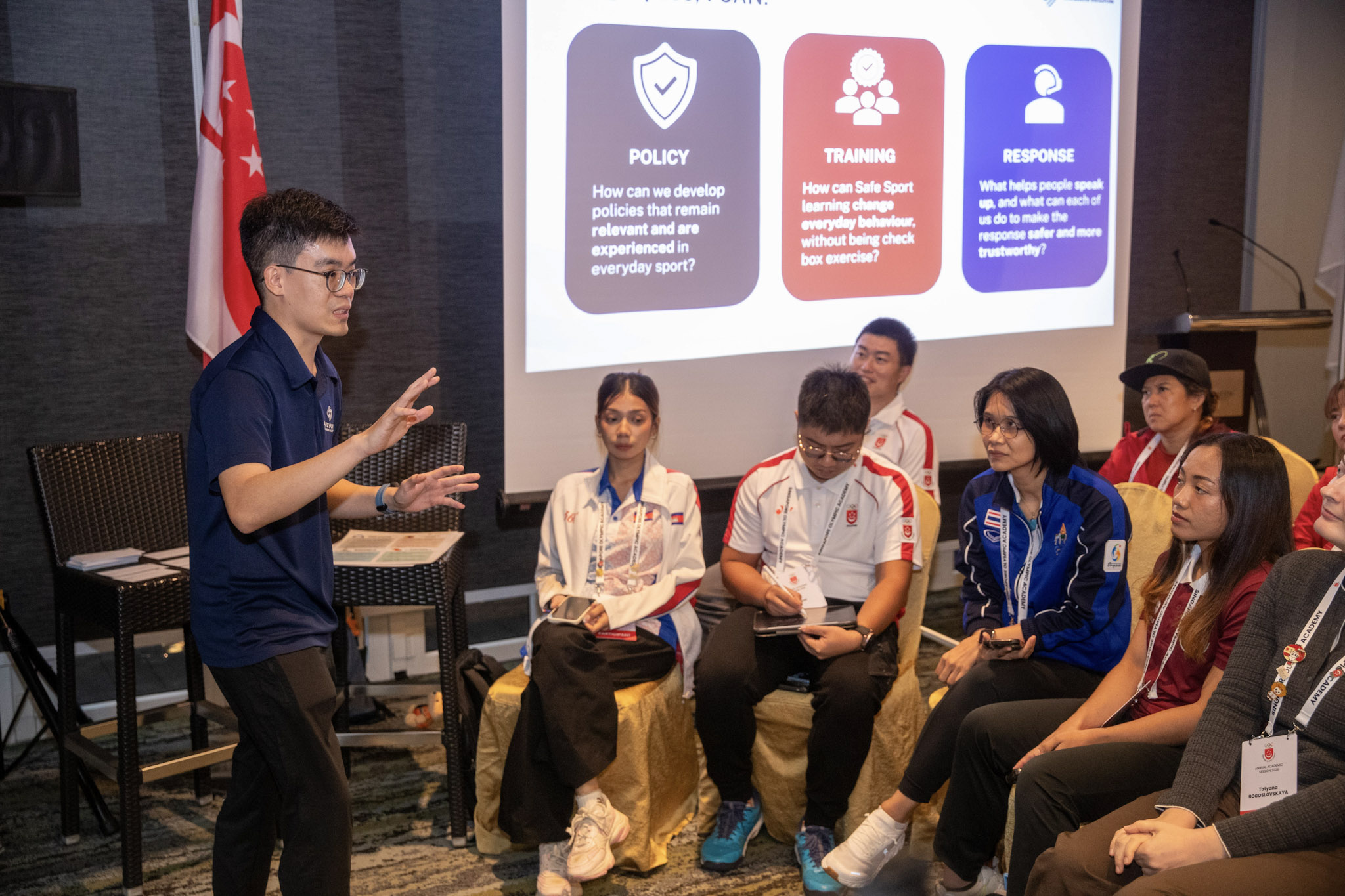
Many consistently returned to the importance of trust when speaking about reporting. They reflected that people are more likely to raise concerns when reporting channels are clear and they believe they will be heard and supported. Practical actions included listening without judgement, explaining what happens after a concern is raised, protecting confidentiality, providing appropriate updates and ensuring that concerns are followed up fairly and responsibly.
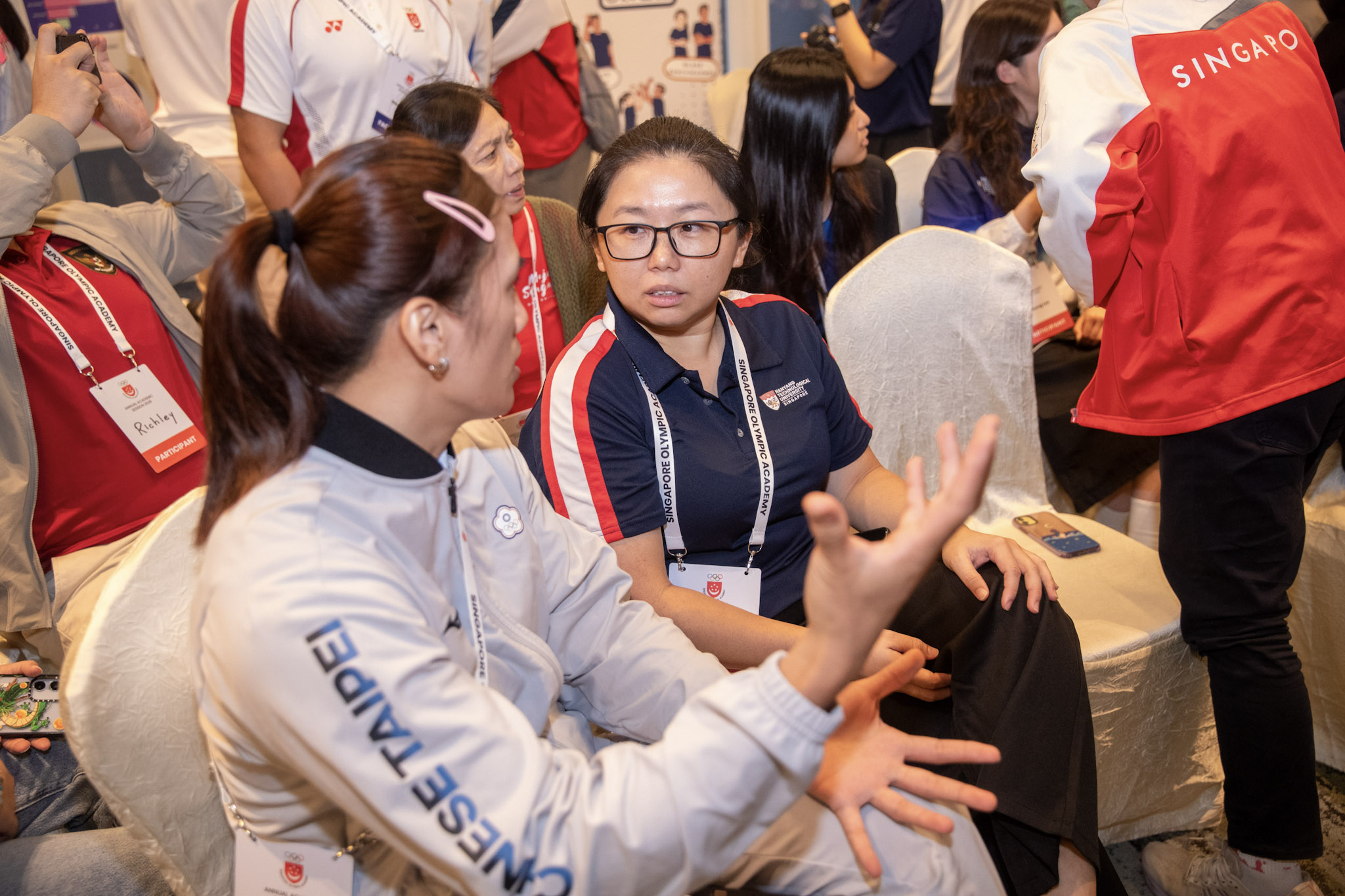
The exchange was enriched by the range of perspectives in the room, including those of student-athletes, educators, coaches, National Olympic Committee representatives and organisational leaders. Each role offered a different view of where safeguarding works, where gaps remain and what practical change could look like within their own space.