
5 Year Review Focus: The Safe Sport Unified Code
5 July 2026
The first in a series of focus group sessions centered on the gaps in the types of harm identified by stakeholders
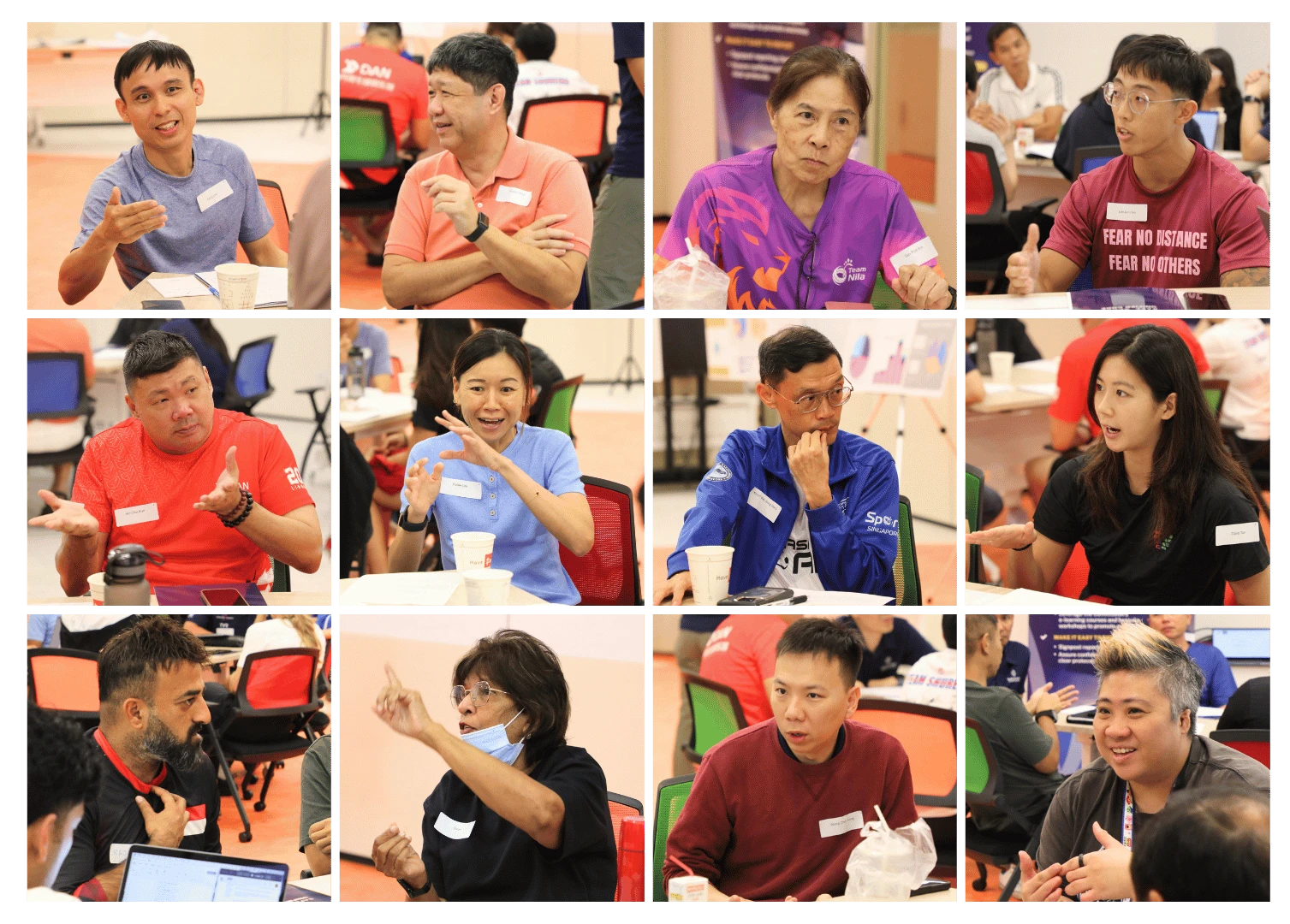
Focus group participants comprising athletes, coaches, volunteers, parents, safeguarding officers and sport administrators
The Commission launched the first two sessions of its Focus Group series last week, marking a key milestone in the 5-year review of the Safe Sport Programme.
In a recent stakeholder survey, close to 50% of participants believe the misuse of AI-generated sexual deepfakes should be recognised as a form of Misconduct under the Unified Code. These results reflect the rapidly evolving nature of digital threats in wider society (opens in new tab) — threats which also affect participants in the sporting community — and underscore the need for our frameworks to keep pace.
A.I. Deepfakes
Focus group participants discussed Image-based Sexual Abuse (IBSA) and the general use of A.I. deepfakes to harass or intimidate. Discussions also explored the treatment of contact sexual abuse versus non-contact sexual abuse (e.g. voyeurism) and the consequences which should follow if such incidents occur within the sporting environment.
"Crossing the line"
Participants were then invited to share their views on boundary violations in sport. Examples discussed included the inappropriate use of personal contact information, excessive sharing of intimate information or requesting of personal photos and the giving of gifts or special treatment. Participants explored if policies adequately addressed such boundary violations or if repeated instances of such behaviour — following formal warnings — should be explicitly recognised under the Unified Code.
Coercive Control
Discussions finally turned to coercive control, with 30% of survey respondents suggesting such conduct should be explicitly added to the Unified Code. Participants reflected on patterns of behaviour such as the erosion of personal autonomy, the creation of emotional and psychological dependence on an authority figure, and the use of physical harm or career leverage to maintain control.
To provide broader context, survey results from 200 participants across the community were shared, offering a wider perspective on how these issues are perceived.
How you can get involved
Further Focus Group Discussions around Case Management, Policy Implementation, and Training & Education are planned for the rest of July and August 2026.
Schedule of Focus Group Discussions
Case Management – Session 1 | 18 July, Sat, 10am - 12pm |
Case Management – Session 2 | 22 July, Wed, 7pm - 9pm |
Policy Implementation – Session 1 | 25 July, Sat, 10am - 12pm |
Policy Implementation – Session 2 | 29 July, Wed, 7pm - 9pm |
Training & Education – Session 1 | 1 Aug, Sat, 10am - 12pm |
Training & Education – Session 2 | 5 Aug, Wed, 7pm - 9pm |
Registration is still open for these sessions. Sign up here (opens in new tab).